

The Punjab government’s most transformative rural welfare initiative of 2026 is here, and thousands of eligible citizens are already racing to register. When you decide to pursue apna khet apna rozgar scheme apply online, you are taking the first step toward long-term financial independence, agricultural self-reliance, and generational wealth creation. This comprehensive guide covers every detail — from scheme background and objectives to eligibility criteria, required documents, the step-by-step online registration process, post-selection benefits, common mistakes to avoid, and the most frequently asked questions — so you can submit a strong application with complete confidence.
What Is the Apna Khet Apna Rozgar Scheme?
The Apna Khet Apna Rozgar Scheme is a revolutionary agricultural initiative launched by Punjab Chief Minister Maryam Nawaz Sharif in 2026 to empower landless farmers and unemployed rural youth across Pakistan’s most populous province. This flagship program aims to distribute over 124,000 acres of government-owned agricultural land worth approximately Rs 160 billion to more than 88,000 deserving families, creating sustainable self-employment opportunities through farming.
At its heart, the scheme operates under the broader vision of “Apni Zameen… Apni Mehnat, Apni Fasal… Apna Rozgar,” which translates to “Own Land, Own Effort, Own Crop, Own Livelihood.” This phrase perfectly captures what the government intends: not charity, not temporary welfare — but a permanent shift from landless labor to independent farm ownership.
Officially approved on January 23, 2026, this initiative represents one of the largest land redistribution efforts in recent Pakistani history. Punjab Information Minister Azma Bukhari described the program as a “key project under which barren land will be converted into cultivable land,” emphasizing its role in strengthening the province’s agricultural economy.
The scheme is also widely referred to as the AKAR Scheme, with AKAR standing for Apna Khet Apna Rozgar. The program covers all 36 districts of Punjab, with 13,812 agricultural plots identified across various districts and an additional 16,685 plots in the Cholistan region.
A total of 43,938 areas have been identified across various districts, while 83,425 areas in Cholistan have been marked, keeping irrigation and fertility factors in view.
This is not a program you want to miss. When you complete the apna khet apna rozgar scheme apply online process correctly and with full documentation, you position yourself at the front of a life-changing opportunity that addresses one of Punjab’s oldest and most persistent problems: the gap between people who want to farm and people who actually own land.
The Core Problem This Scheme Solves
Punjab’s rural communities have long struggled with a deeply rooted economic crisis. Generation after generation, families have worked on land they do not own, laboring as agricultural workers or sharecroppers for wealthy landlords while struggling to save enough to escape that cycle. The result has been persistent rural poverty, mass migration to overcrowded cities, and the neglect of vast tracts of fertile government-owned land that lie uncultivated.
The scheme is designed to bridge the gap between unemployment and the availability of vast, uncultivated government lands. By turning laborers into independent farm owners, the government aims to reduce rural poverty and curb migration to urban centers.
Think about what happens when a 25-year-old farmer receives 5 acres: In Year 1, they learn modern techniques, invest with Kisan Card support, and earn decent income. By Year 3, they have built expertise, perhaps diversified into high-value crops, and doubled their income. By Year 5, they are training other farmers, acquiring machinery, and contributing to community development. By Year 10, their children are getting better education, health improves, and they have become rural entrepreneurs. By Year 20, generational poverty has ended. Their family is middle class. Their children have choices their parents never had.
That is the real promise behind every decision to proceed with apna khet apna rozgar scheme apply online — not just a piece of land, but a complete transformation in life trajectory.
Key Features and Benefits of the AKAR Scheme
Before diving into eligibility and the registration process, it is important to fully understand what you receive when you are selected. The AKAR Scheme is not a simple land allotment program — it is a comprehensive agricultural support package.
Free Agricultural Land on Long-Term Lease
The Apna Khet Apna Rozgar (AKAR) Scheme offers landless Pakistani farmers 3 to 10 acres of government land on a 10-year lease at just Rs 100 per acre annually.
Under this transformative scheme, eligible beneficiaries receive agricultural plots valued between Rs 2.5 million to Rs 4 million on a 10-year lease, accompanied by one-time development grants ranging from Rs 50,000 to Rs 250,000 per acre to support initial cultivation costs.
Effectively, the lease cost is symbolic — paying Rs 100 per acre per year is essentially free farmland. This removes the single biggest barrier that has kept rural families from farming: the prohibitive cost of land.
Green Tractor Scheme Integration
Modern farming demands modern equipment, and the government has addressed this directly. The Green Tractor Scheme connected with Apna Khet Apna Rozgar provides a tractor subsidy of up to Rs 1,000,000 on new tractors in the 50–65 HP range, with zero-interest financing for land allottees. Equipment support includes subsidies for laser land levelers, seeders, and harvesting equipment, with flexible repayment terms aligned with harvest seasons. Shared machinery is also accessible through government-owned equipment for those who do not need individual tractors.
This integration is what separates the AKAR Scheme from most previous government agricultural programs. A farmer who has land but no machinery cannot cultivate effectively. By linking the Green Tractor Scheme directly to land allotment, the government ensures that selected beneficiaries can begin productive farming from day one.
The Kisan Card Facility
The Kisan Card provides direct access to agricultural credit without middlemen or commission agents, a seasonal credit facility for purchasing seeds, fertilizers, and pesticides, government-backed subsidies credited directly to the account, no interest charges on crop inputs purchased through the card, and emergency support during natural disasters like floods or droughts.
Comprehensive Agricultural Training
The scheme includes free enrollment in modern farming technique workshops, water-efficient irrigation methods and drip technology training, and crop rotation planning for soil health and maximum yield.
The government will set up Centres of Excellence in every tehsil to provide modern farming training to the new landholders.
This training component is crucial because many landless farmers in Punjab have worked on land for decades but have done so using traditional methods. Modern techniques like tunnel farming, drip irrigation, and high-value crop cultivation can dramatically increase per-acre income.
Market Linkage Support
Once you grow crops, you need buyers. The scheme addresses post-harvest challenges by providing market linkage support, helping new farmers sell their produce at fair prices rather than being exploited by middlemen.
Biannual Inspection and Technical Guidance
Each plot will be supervised by an agriculture officer and an agricultural internee, while a committee comprising Assistant Commissioners and officials from the Agriculture Department will conduct biannual inspections to review cultivation activities.
Far from being intrusive, these inspections are actually a benefit. Many new farmers lack confidence in their decisions. Having an agriculture officer visit twice a year to assess the land, identify problems, and offer professional guidance is an invaluable resource.
Transparent Computerized Balloting
One of the most significant departures from previous government programs is the selection mechanism. The government will run a computerized selection process. This means no favoritism, no reference needed — just fair balloting. If you are selected and declared eligible, you will be officially informed with all remaining instructions.
This transparent digital balloting ensures that deserving applicants — not those with political connections — receive land allotments.
Who Is Eligible to Apply?
Understanding eligibility is the most critical step before you proceed to apna khet apna rozgar scheme apply online. Applying without meeting the eligibility criteria will result in immediate rejection and wasted effort.
Basic Eligibility Requirements
The Punjab Government has established a clear set of conditions for applicants:
Citizenship and Residency Applicants must be Pakistani citizens with a valid Computerized National Identity Card (CNIC) and must hold a valid Punjab domicile certificate. Eligible applicants must be landless or own a maximum of 10 marlas of residential property, be permanent residents of the revenue estate, and have no prior government allotments.
Age Requirement Applicants should generally fall within the 18–35 age bracket, with youth being given priority. However, applicants slightly above this range may still qualify under specific circumstances, particularly if they belong to vulnerable social categories.
Land Ownership Status The applicant must be landless or own a negligible amount of agricultural land. Socio-economic status plays a role, with priority given to low-income individuals and those registered in the Punjab Socio-Economic Registry (PSER).
Family Restriction Only one person per household is eligible for a single allotment. Families cannot submit multiple applications to increase their chances.
No Prior Government Benefits Those who have previously benefited from any government land allotment or leasing program are ineligible. Employees of federal or provincial government departments, autonomous organizations, or corporations, along with their dependents, cannot apply.
Financial History The applicant must not be a bank loan defaulter. Having a clear financial record is essential. Applicants with outstanding loan defaults will be screened out during verification.
Gender Women are fully eligible and encouraged to apply. Widows, single mothers, and women who are the main earners in their household are given favorable consideration during selection.
Who Gets Priority?
Beyond basic eligibility, certain categories of applicants are given preferential consideration during the merit-based selection process:
- Landless individuals with farming backgrounds
- Registered members of the Punjab Socio-Economic Registry (PSER)
- Widows and single mothers
- Unemployed rural youth with demonstrated commitment to agriculture
- Small landholders with less than 2 acres
- Residents of historically underserved districts
Who Cannot Apply?
Applicants who own large agricultural land holdings, have criminal records, or are existing loan defaulters are not eligible for this scheme. Additionally, applicants must be willing and able to cultivate the allotted land personally — sub-leasing or commercial transfer is strictly prohibited.
Understanding these disqualifying factors before you attempt to complete apna khet apna rozgar scheme apply online will save you time and protect you from unnecessary disappointment.
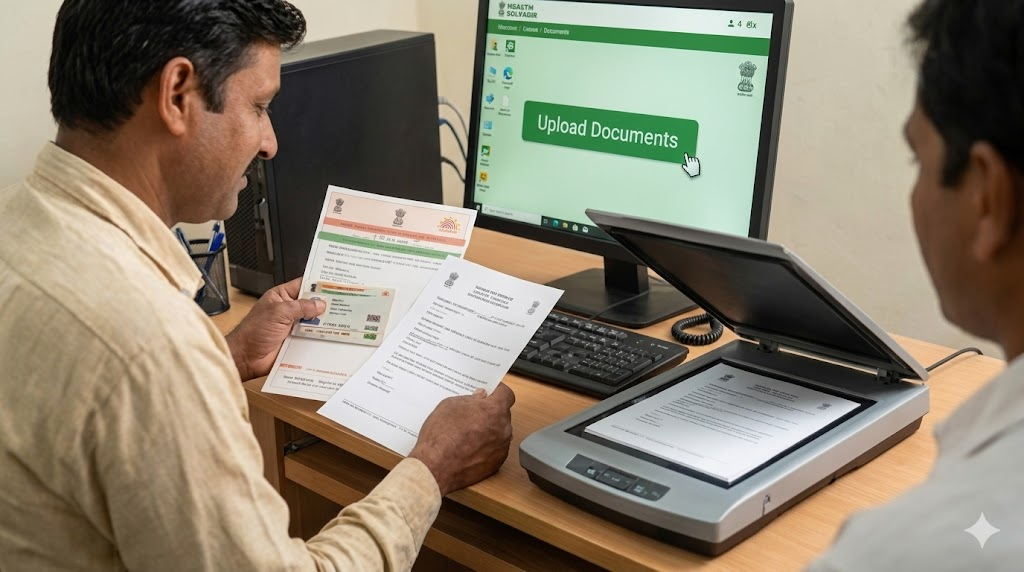
Required Documents for Application
Preparing your documents before starting the online registration process is strongly recommended. Attempting to collect documents mid-application often leads to errors or incomplete submissions.
Here is a complete list of documents you will need:
| Document | Purpose | Notes |
|---|---|---|
| Valid CNIC | Identity and residency verification | Must be current and not expired |
| Punjab Domicile Certificate | Confirms provincial residency | Issued by the relevant authority |
| Passport-sized Photographs | Profile identification | Recent, clear photos required |
| Affidavit of Landless Status | Declares no ownership of agricultural land | Must be stamped on official stamp paper |
| Proof of Residence | Confirms current address | Utility bill or similar |
| PSER Registration (if applicable) | Socio-economic priority | Helps during merit assessment |
| Skill or Agricultural Certificates | Demonstrates farming background | Optional but beneficial |
| Mobile Number Registered with CNIC | OTP verification | Must match NADRA records |
Ensure your mobile number is registered against your CNIC in NADRA records. OTP verification is mandatory for portal access, and mismatched numbers cause immediate rejection.
This last point is critical. Many applicants have been denied access to the registration portal not because of ineligibility, but because their registered mobile number did not match their CNIC in the NADRA system. Before you attempt to complete apna khet apna rozgar scheme apply online, visit your nearest NADRA office or use the NADRA online services to verify that your phone number is correctly linked to your identity card.
The affidavit of landless status also deserves special attention. This must be a formal sworn statement on official stamp paper, declaring that you do not own agricultural land. Any false statement on this affidavit is a serious legal offense and will result in immediate disqualification and potential prosecution.
Complete Step-by-Step Guide to Register Online
The Government of Punjab has launched the official website akar.pulse.gop.pk for online registration of the Apna Khet Apna Rozgar Scheme. Citizens of Punjab can also visit akar.punjab.gov.pk to access the registration portal.
The decision to proceed with apna khet apna rozgar scheme apply online is straightforward once you understand the exact steps. Follow this guide carefully and you will complete your registration without confusion.
Step 1 — Access the Official Registration Portal
Visit the official Punjab Government registration website. Use a reliable internet connection and make sure you are on the correct government domain. Make sure you are using the correct government website.
Fraudulent websites mimicking the official portal have been reported. Always double-check the URL before entering any personal information. If you are unsure, visit your nearest District Agriculture Office or Assistant Commissioner’s office and ask staff to confirm the correct website address.
Step 2 — Create Your Account
You will see the sign-up option. Click it and fill in your basic details: your CNIC number and your active mobile number to create your login account. After entering these details, you will receive a 6-digit confirmation code on your mobile. Enter that code to verify your number and complete the sign-up. Once signed up, set a strong password. Then log in using your CNIC number and the password you just created.
Use a password that you will remember but that is not easily guessed. Avoid obvious combinations like your date of birth or your CNIC number.
Step 3 — Complete Your Personal Profile
After logging in, your dashboard will open. You must complete your personal profile with accurate information including:
- Full name as it appears on your CNIC
- Father’s name
- Date of birth
- Current residential address
- District and tehsil of residence
- Revenue estate / village name
- Educational background
- Agricultural experience (if any)
- Socio-economic information
The system will automatically verify your details through the Punjab Land Records Authority (PLRA) to confirm you do not already own agricultural land.
This automated verification is the system’s most powerful screening tool. If you own any agricultural land that appears in PLRA records — even land registered under a family member’s name — the system will flag the discrepancy and your application may be reviewed more closely.
Step 4 — Select Your District and Land Preference
After completing your profile, you will be asked to indicate your district and preferred area for land allotment. Remember that district quota dependency means selection depends on land availability within each district.
You should be realistic in your selection. Applying for land in a district where you do not live or have no farming connection may reduce your merit score. It is generally best to apply for land in the district where you are a permanent resident.
Step 5 — Upload Required Documents
Scan or photograph all required documents clearly. Each file must be clearly legible, properly oriented, and within the file size limits specified on the portal. Blurry, dark, or cropped documents are commonly rejected during verification.
For the affidavit, make sure it is stamped by an authorized official. Unofficial or unstamped affidavits will not be accepted.
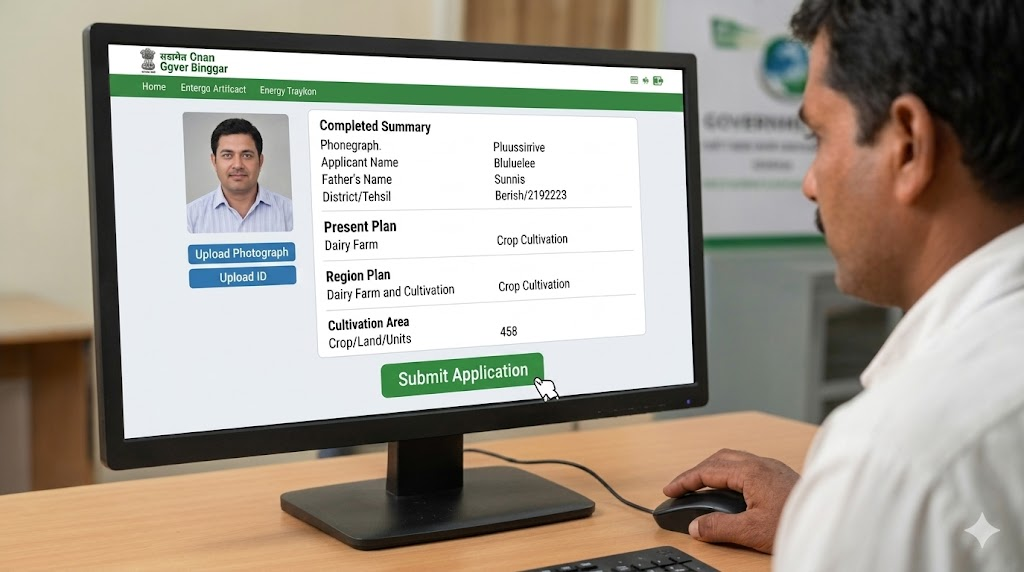
Step 6 — Review and Submit
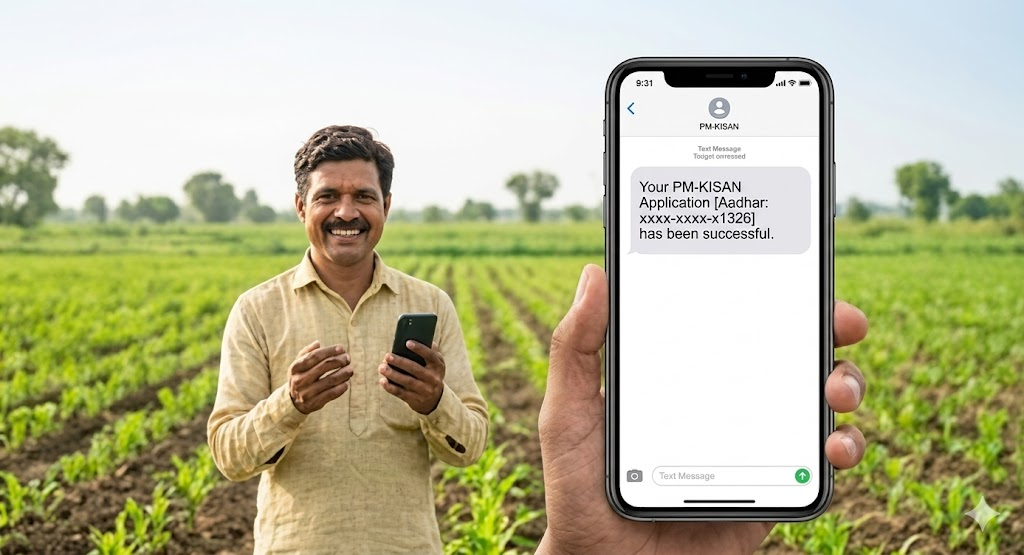
Review your information and click Submit. You will receive a tracking ID via SMS.
Before clicking submit, re-read every field of your application carefully. Once submitted, applications normally cannot be changed after submission. Errors made at this stage can result in rejection during verification even if you are otherwise fully eligible.
Note your tracking ID carefully. This number will be your primary tool for monitoring your application status in the weeks ahead.
Step 7 — Track Your Application Status
After submitting your application, you can monitor progress through the portal. Log in to the AKAR Pulse portal using your CNIC and password to check your application status.
The portal provides real-time updates on where your application stands in the verification and selection pipeline. Check it regularly, especially during the verification and balloting phases.
Offline Application Option
Not everyone in rural Punjab has reliable internet access. The government has made provisions for this. Applicants without internet access can apply through their nearest District Agriculture Office.
If online access is not available, applicants may visit the local Agriculture Office or Assistant Commissioner Office to apply manually.
The offline application process requires the same documents and follows the same eligibility rules as the online process. Staff at these offices are trained to assist applicants.
Application Timeline and Key Dates
Applicants can apply online from May 2 to May 18. Candidates will have the option to file appeals with the Deputy Commissioner between June 1 and June 8. The final list will be issued on June 19, and land distribution will commence from June 30.
This is a tight window. If you have not yet completed apna khet apna rozgar scheme apply online, you should begin immediately. Missing the application deadline means waiting for the next phase, and given the scale of demand, future phases may have even tighter competition.
| Phase | Dates | Action Required |
|---|---|---|
| Online Registration | May 2 – May 18, 2026 | Submit your online application |
| Verification Period | May 19 – May 31, 2026 | Await document and field verification |
| Appeals Window | June 1 – June 8, 2026 | File appeals if rejected |
| Final List Publication | June 19, 2026 | Check if you are selected |
| Land Distribution | From June 30, 2026 | Report for land allotment |
How the Selection Process Works
Understanding the selection process is important because eligibility alone does not guarantee land allotment. The process has multiple stages, each with its own gatekeeping mechanisms.
Stage 1 — Initial Digital Screening
When your application is submitted, the system immediately runs automated checks against PLRA records, NADRA identity databases, and government employee registries. This screening eliminates ineligible applications before any human reviewer sees them.
Stage 2 — Document Verification
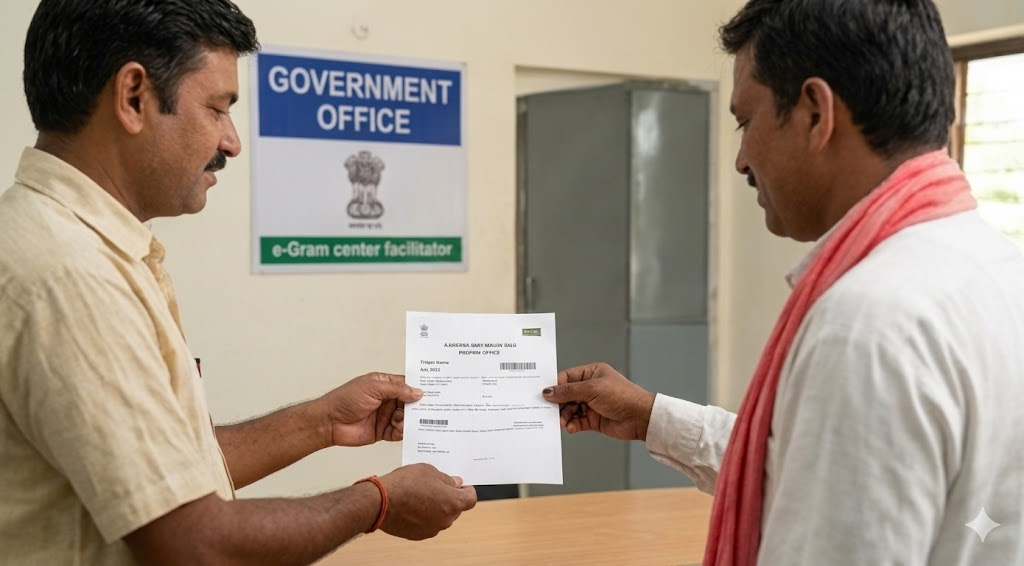
Applications will be reviewed by a scrutiny and monitoring committee.
This committee examines submitted documents for authenticity, consistency, and completeness. During this phase, field verification may also be conducted. Verification typically takes 15–30 days after physical verification by local Patwari and Assistant Commissioner’s office.
The local Patwari plays a critical role here. They physically inspect the applicant’s living situation, verify their landless status on the ground, and submit a verification report to the district committee.
Stage 3 — Merit Assessment
Final approval and land distribution depend on several additional factors, including successful completion of document and CNIC verification, availability of government land in the applicant’s district, applicant merit, financial need, and farming background, overall program capacity and number of approved plots, and full compliance with official rules and screening requirements.
Eligibility only gets you into the pool of qualified applicants. Final selection is based on a merit assessment that weighs socio-economic need, farming background, family circumstances, and district-level land availability.
Stage 4 — Computerized Balloting
Successful applicants will be selected through a computerized balloting system. The final list will be published online and displayed at relevant offices. After final approval by the district collector, allotment orders will be issued, and possession of land will be handed over.
Stage 5 — Appeals Process
If your application is rejected and you believe the rejection is unjustified, you have the right to appeal. Rejected applicants can file an appeal with the Deputy Commissioner’s office during the appeals window (June 1–8, 2026).
Appeals must be filed with supporting evidence explaining why the rejection was incorrect. Appeals without documentation or valid grounds will not be reconsidered.
Terms and Conditions of Land Allotment
Being selected is only the beginning. Understanding the terms of the lease is essential before you accept land under this scheme.
Lease Duration and Cost
The initial lease is for 10 years. During this period, the land remains the property of the Punjab Government. First year’s rent must be paid within 30 days of possession. Subsequent payments must be made annually by January 15.
At Rs 100 per acre per year, the rent is nominal. For a 5-acre plot, the annual rent would be just Rs 500 — less than the cost of a single meal at a restaurant in Lahore.
Permitted and Prohibited Uses
The leased land must be used strictly for agricultural purposes. Construction of permanent structures on the land is not allowed. Ownership of the land will remain with the government. Leaseholders will not be granted ownership rights and cannot transfer, mortgage, or sublease the land.
The land is given on long-term conditional allotment. As long as you actively cultivate it and follow agricultural guidelines, it remains yours. The government may even convert it to permanent ownership based on your cultivation record. What you cannot do is sell it, leave it barren, or use it for non-agricultural purposes.
This last point — the possibility of permanent ownership after demonstrating a strong cultivation record — is a powerful incentive for committed farmers.
Consequences of Non-Compliance
If you fail to pay rent for six months, or if you leave the land without any cultivation for three continuous years, the lease will be cancelled.
Failure to pay rent for more than six months may result in lease cancellation after due hearing. Authorities will conduct periodic inspections to ensure compliance with the terms and conditions of the lease.
These terms are strict but fair. The government is not giving land for speculative holding or passive ownership — it wants productive farmland that contributes to Punjab’s agricultural economy.
Agricultural Projects You Can Pursue
One of the great advantages of the AKAR Scheme is the flexibility it offers in terms of what you can grow and farm. The scheme supports a wide range of agricultural activities:
Crop Farming
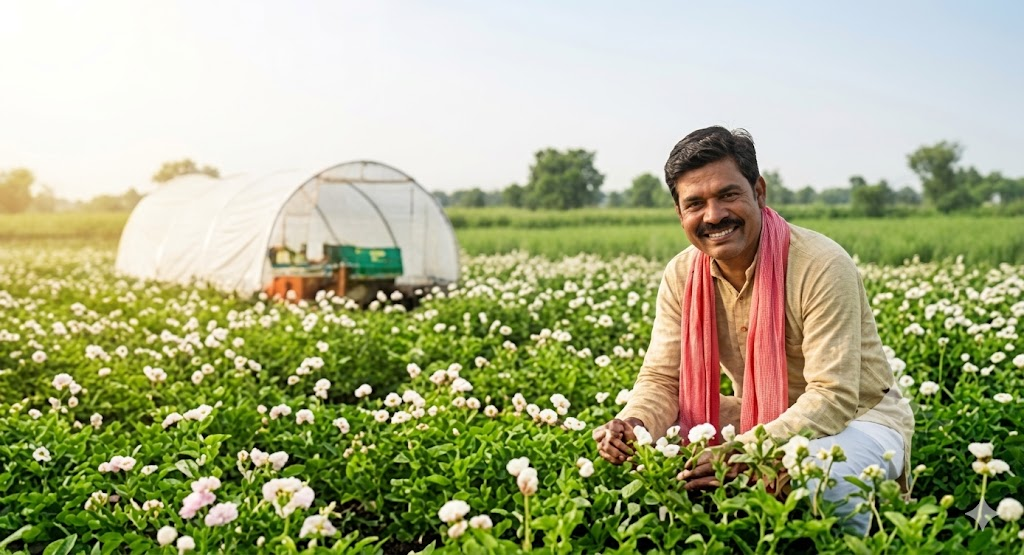
Growing seasonal crops and vegetables is the most common choice for new allottees. Common options include wheat, rice, maize, sugarcane, and vegetables like tomatoes, onions, chilies, and potatoes. High-value crops such as tunnel-grown strawberries and off-season vegetables can generate significantly higher per-acre returns.
Dairy Farming
Starting a dairy farm with cows or buffaloes is a supported activity under the scheme. Dairy farming provides year-round income through milk sales and can be combined with crop farming for diversified revenue.
Poultry Production
Setting up poultry units for egg or meat production is another supported activity. Poultry farming has a relatively low setup cost compared to dairy farming and can generate returns within a few months.
Horticulture and Fruit Orchards
Establishing mango, citrus, guava, or other fruit orchards is an excellent long-term investment. While orchards take 3–5 years to start producing, the income from mature fruit trees is substantial and sustained.
Modern Farming Techniques
The government particularly encourages adoption of tunnel farming for off-season vegetables, drip irrigation for water-efficient cultivation, laser land leveling for improved water distribution, and crop rotation for soil health maintenance.
Green Tractor Scheme results show that thousands of young farmers have purchased tractors through subsidized financing, reducing their cultivation costs by 50% and increasing yields by 25–30% through timely operations. Government-run agricultural training centers have helped farmers adopt tunnel farming, drip irrigation, and high-value crop cultivation, tripling their per-acre income in some cases.
Common Mistakes That Lead to Rejection
Many applicants who are otherwise fully eligible face rejection simply because of avoidable errors in their application. Here are the most common mistakes and how to avoid them.
Mismatched Mobile Number
As mentioned earlier, if your mobile number is not linked to your CNIC in NADRA records, you will not receive the OTP required to complete registration. Verify this before starting your application.
Incorrect Personal Information
Any discrepancy between information on your application and your CNIC or PLRA records — your name, father’s name, date of birth, or address — will trigger a flag during verification.
Submitting Poor-Quality Document Scans
Blurry, dark, incomplete, or improperly sized document images are a very common reason for rejection during the document verification phase. Invest a few minutes to ensure clean, clear scans before uploading.
Applying in the Wrong District
Applying for land in a district where you are not a permanent resident drastically reduces your chances. Always apply in the district that matches your CNIC and domicile.
Providing False Information
These conditions are strict. If your application is found to be incorrect or misleading, it will be cancelled, so be honest when filling out the form.
This applies especially to land ownership status. The PLRA database will cross-check your claim of being landless. Do not risk prosecution by making false declarations.
Applying Through Unofficial Agents
No private website or agent is authorized to collect applications or fees. Using unofficial sources can result in fraud or rejection.
Beware of fraudsters claiming to “guarantee” selection for money. This is a completely merit-based, transparent scheme. No one can guarantee selection through payment. Report suspicious activity to the helpline immediately.
The helpline for the AKAR Scheme is 042-111-111-111. If anyone approaches you claiming to be able to guarantee land allotment in exchange for payment, report them immediately.
Missing the Deadline
The registration window is fixed and strict. Late applications are not accepted. Do not wait until the last day to begin the process — technical issues, document gaps, or portal traffic on the final days could prevent you from submitting in time.
Why This Scheme Is Different From Previous Programs
Punjab has seen many agricultural support programs over the decades. Most failed to create lasting impact because they provided temporary subsidies without addressing the underlying structural problem — landlessness. The AKAR Scheme takes a different approach.
Policy experts consider this program more sustainable than past subsidy schemes because it combines land ownership, financial access, and technical support under one model.
Previous programs often suffered from:
- Political patronage in beneficiary selection
- Lack of follow-up support after initial allotment
- No accountability mechanisms for land use
- Incomplete support packages that left farmers unable to cultivate effectively
- Paper-based systems prone to corruption and manipulation
The AKAR Scheme addresses each of these weaknesses:
Against political patronage: Computerized, transparent balloting ensures merit-based selection.
Against lack of follow-up: Biannual inspections by agriculture officers and Assistant Commissioners ensure ongoing support and accountability.
Against no accountability: Strict lease terms with clear consequences for non-cultivation discourage speculative applications.
Against incomplete support: Integration with the Green Tractor Scheme, Kisan Card, and training programs creates a complete ecosystem.
Against corruption: Digital-first processes through verified government portals minimize opportunities for manipulation.
Unlike older schemes, this program follows a digital-first approach, ensuring transparency and easy access.
Impact on Punjab’s Agricultural Economy
The potential economic impact of the AKAR Scheme extends far beyond the 50,000 to 88,000 families directly benefiting from land allotments.
Rural Employment Generation
When a new farmer begins cultivating 5 acres of previously barren land, they do not only generate income for themselves. They need seed suppliers, fertilizer dealers, machinery operators, irrigation workers, and harvest laborers. Each land allotment effectively creates a micro-economy in the rural community where it is located.
Agricultural Output Growth
The program specifically targets landless villagers who possess farming skills but lack access to productive land, effectively converting barren state land into cultivable farmland while boosting Punjab’s agricultural output.
Converting 124,000+ acres of barren or underutilized government land into actively cultivated farmland will add significant volume to Punjab’s food production, reducing dependence on food imports and strengthening provincial food security.
Urbanization Reversal
One of the most significant indirect benefits of the scheme is its potential to slow or reverse rural-to-urban migration. When rural youth have viable economic opportunities in their home districts, they are less likely to migrate to Lahore, Faisalabad, or Karachi in search of work, reducing pressure on already overcrowded urban infrastructure.
Women’s Economic Empowerment
The scheme’s explicit encouragement of women applicants, particularly widows and single mothers, represents a meaningful step toward gender equity in agricultural land ownership — a sector historically dominated by men.
Scope and Scale of the Scheme
To truly appreciate the magnitude of what the AKAR Scheme represents, consider the numbers:
| Metric | Figure |
|---|---|
| Total land identified | 250,000+ acres |
| Plots in districts | 13,812 |
| Plots in Cholistan | 16,685 |
| Land value distributed | Rs 160 billion |
| Families targeted (initial phase) | 50,000 |
| Annual lease cost | Rs 100 per acre |
| Development grant per acre | Rs 50,000 – Rs 250,000 |
| Tractor subsidy available | Up to Rs 1,000,000 |
| Lease duration | 10 years |
| Districts covered | All 36 districts of Punjab |
These figures make the AKAR Scheme one of the most ambitious rural development programs in Pakistan’s recent history.
Challenges and Limitations to Be Aware Of
No government scheme is without its limitations, and transparency requires acknowledging the challenges applicants may face.
High Competition
Limited seats mean that only around 50,000 families may benefit initially, making competition high. With hundreds of thousands of eligible applicants across Punjab, the probability of selection in the first phase is uncertain for any individual applicant. This is why submitting the strongest possible application — complete documents, accurate information, clear proof of eligibility — matters so much.
Processing Time
Verification and approval may take several weeks. Do not expect immediate results. The verification process involves cross-checking multiple government databases and conducting physical field inspections, all of which take time.
Conditional Land Use
Conditional allotment means land must be used strictly for farming and cannot be sold or rented. This is a legitimate limitation for applicants who might want flexibility in how they use their allotted land. If farming is not your primary goal, this scheme is not for you.
Geographic Dependency
District quota dependency means selection depends on land availability within each district. Even if you are highly eligible and perfectly qualified, if there is no state land available in your district, you may not be selected in the first phase.
Not Suitable for Short-Term Needs
It is not ideal for those looking for short-term financial aid without farming commitment. This is a long-term investment in your future. If you need immediate income, this scheme alone will not solve your short-term financial problems.
Tips to Maximize Your Chances of Approval
Given the competitive nature of the scheme, here are evidence-based strategies to give your application the strongest possible foundation.
Register with PSER First
The Punjab Socio-Economic Registry (PSER) is used to verify applicants’ economic status. Being registered in PSER as a low-income household gives you priority consideration during merit assessment. If you are not yet registered, do so immediately.
Get Your Documents in Order Before Starting
Gather every required document before sitting down to fill out the application. Missing even one document mid-application can lead to errors or force you to submit an incomplete application.
Verify Your NADRA Mobile Registration
Before attempting to complete apna khet apna rozgar scheme apply online, call your mobile network provider or visit a NADRA office to confirm that your SIM card is correctly registered under your CNIC. Without this, you cannot receive the OTP needed to create your account.
Be Honest and Precise
Any exaggeration, omission, or inaccuracy in your application will eventually be discovered during the multi-stage verification process. The penalties for dishonest applications are severe, including permanent disqualification. Accuracy is your best strategy.
Apply Early, Not on the Last Day
Portal traffic on the final day of registration is typically very high. Technical issues, slow loading times, or server congestion can prevent you from submitting your application in time. Apply in the first week of the registration window to avoid last-minute problems.
Seek Help at the Agriculture Office if Needed
If you find any step of the online process confusing, do not guess. Visit your nearest District Agriculture Office or Assistant Commissioner’s office. Staff are available to help applicants complete the process correctly.
Role of the Punjab Enterprise Land Record Authority (PELRA)
Applications can be submitted online via the Punjab Enterprise Land Record Authority (PELRA) portal or manually at the Assistant Commissioner’s office once the official schedule is released. All applications will undergo scrutiny by a designated committee.
PELRA plays a central role in the scheme’s digital infrastructure. It is the agency that maintains Punjab’s land records, and its database is the primary tool used to verify an applicant’s claimed landless status. The integration of PELRA with the AKAR portal is what makes the scheme’s anti-fraud mechanisms so powerful.
This system-level verification means that even if someone submits false documents claiming they are landless, the PLRA records will contradict that claim during automated screening. This is why honesty in your application is not just morally correct — it is practically necessary.
How to Check Your Application Status
After submitting your application and receiving your tracking ID via SMS, you can monitor your application’s progress at any time.
Log in to the AKAR Pulse portal using your CNIC and password to check your application status. If selected, you will receive further instructions regarding land allocation and documentation.
During the verification phase, you may also receive:
- SMS alerts about your application status
- Phone calls from local agriculture officials for field verification
- Requests for additional documents if something is unclear
Ensure your phone is active and that you respond promptly to any communication from the Agriculture Department or Assistant Commissioner’s office. Failure to respond to verification calls can result in your application being marked as unresponsive and potentially rejected.
What Happens After Selection
Being notified that you have been selected through the balloting process is an exciting milestone, but there are several important steps that follow.
Land Allotment Order
After final approval by the district collector, allotment orders will be issued, and possession of land will be handed over.
The allotment order is your official document confirming which specific plot has been assigned to you. This document specifies the location, acreage, boundaries, and terms of your lease.
Rent Payment
First year’s rent must be paid within 30 days of possession. At Rs 100 per acre, this is an extremely modest payment, but it must be made on time to activate your lease.
Kisan Card Enrollment
Beneficiaries will automatically be eligible for the Kisan Card, providing interest-free loans and subsidies on fertilizers, pesticides, and seeds.
Agricultural Training Enrollment
You will be enrolled in the training programs at the nearest Centre of Excellence in your tehsil. These training programs are not optional — they are a condition of the allotment and are designed to give you the knowledge needed to farm productively and profitably.
First Biannual Inspection
Within the first six months of receiving your land, an agriculture officer will conduct the first of the biannual inspections. This inspection assesses whether you have begun cultivation and whether you need any technical guidance.
Comparison With Similar Government Schemes
It is helpful to understand how the AKAR Scheme compares with other agricultural support programs in Pakistan:
| Feature | AKAR Scheme | Previous Land Schemes | General Subsidies |
|---|---|---|---|
| Land provided | Yes (3–10 acres) | Rarely | No |
| Machinery support | Yes (Green Tractor) | Sometimes | Sometimes |
| Financial support | Kisan Card, grants | Loans only | Cash transfers |
| Training | Comprehensive | Rare | No |
| Selection method | Digital balloting | Manual/political | Criteria-based |
| Follow-up support | Biannual inspection | Minimal | None |
| Long-term potential | Permanent ownership | Lease only | No assets |
| Cost to beneficiary | Rs 100/acre/year | Market rate | None |
The AKAR Scheme clearly represents the most comprehensive and structured agricultural support package ever offered by the Punjab Government, which is why completing apna khet apna rozgar scheme apply online before the deadline is so important.
Frequently Asked Questions
Is there any application fee for the scheme?
No, absolutely zero fees. The application is completely free whether you apply online or through district agriculture offices. Anyone asking for money is a fraudster.
Can women apply for the AKAR Scheme?
Yes, both men and women can apply, including widows, divorced women, or disadvantaged applicants.
Can I apply if I have some farming experience but no land?
Yes. In fact, having farming experience is a benefit during merit assessment. The scheme is designed specifically for people who have farming skills but lack productive land.
Can I apply without any farming experience?
Yes, but relevant knowledge may improve your chances. Beginners are eligible, and the government’s training programs are specifically designed to help new farmers learn modern techniques.
What happens if I do not cultivate the land after receiving it?
Failure to pay rent for more than six months may result in lease cancellation after due hearing. Authorities will conduct periodic inspections to ensure compliance. Leaving land barren for three consecutive years will result in lease cancellation and reassignment to another eligible applicant.
Can I sell or transfer the allotted land?
Sub-leasing or commercial transfer is strictly prohibited. The land remains government property throughout the 10-year lease period and cannot be sold, mortgaged, or transferred under any circumstances.
How will I know if I have been selected?
The final list will be published online and displayed at relevant offices. You will also receive SMS notification to your registered mobile number.
Can I appeal if my application is rejected?
Yes. Rejected applicants can file an appeal with the Deputy Commissioner’s office during the appeals window (June 1–8, 2026).
What types of crops can I grow on the allotted land?
You have freedom to select crops based on land suitability, market demand, and your expertise. However, agriculture officers will guide you toward crops that work best for your specific land type and climate zone.
How many people can apply from one family?
Only one person per household is eligible for a single allotment. Multiple applications from the same family will be detected and rejected.
Is the selection process truly fair and unbiased?
The government will run a computerized selection process. This means no favoritism, no reference needed — just fair balloting. The digital and transparent nature of the process is one of the scheme’s most important features.
What is the helpline number for the scheme?
The helpline number is 042-111-111-111. You can call this number for guidance on eligibility, documents, or the registration process.
What if I cannot access the internet to apply?
Applicants without internet access can apply through their nearest District Agriculture Office. All district-level offices are equipped to help applicants submit manual applications.
Will the government provide seeds and fertilizers?
The scheme offers direct subsidies on fertilizers, pesticides, and seeds through the Kisan Card facility.
Can small landholders with less than 5 acres apply?
Small landholders may apply, but landless farmers get priority. If you own substantial land (5+ acres), you likely will not qualify. The scheme is for those who genuinely need productive assets.
Final Thoughts — A Once-in-a-Generation Opportunity
The Apna Khet Apna Rozgar Scheme 2026 represents something rare in Pakistan’s policy landscape: a large-scale, well-funded, digitally administered program that directly addresses the root causes of rural poverty rather than simply managing its symptoms.
This scheme is different from previous programs because it addresses the core problem that has kept rural families trapped in poverty for generations — lack of productive assets. When you own land and have the tools to cultivate it properly, you are not just earning income; you are building generational wealth.
For eligible farmers, unemployed rural youth, widows, and low-income families across all 36 districts of Punjab, this is the moment to act. The registration window is open, the portal is functioning, and the government has committed the resources, the land, and the support infrastructure needed to make this scheme work.
Every eligible person who delays completing apna khet apna rozgar scheme apply online is risking their place in a program that could genuinely change the trajectory of their family’s life. The Apna Khet Apna Rozgar Scheme 2026 is not going to come around every year. CM Maryam Nawaz Sharif has put her government’s credibility behind this initiative. The resources are allocated. The land is available. The support system is ready. What is needed now is your action.
Prepare your documents today. Verify your NADRA mobile registration. Visit the official government portal. Complete apna khet apna rozgar scheme apply online before the May 18 deadline. If you need help, go to your nearest District Agriculture Office or Assistant Commissioner’s office and ask for assistance.
The land is there. The support is there. The opportunity is there. What remains is the decision to reach out and take it.